
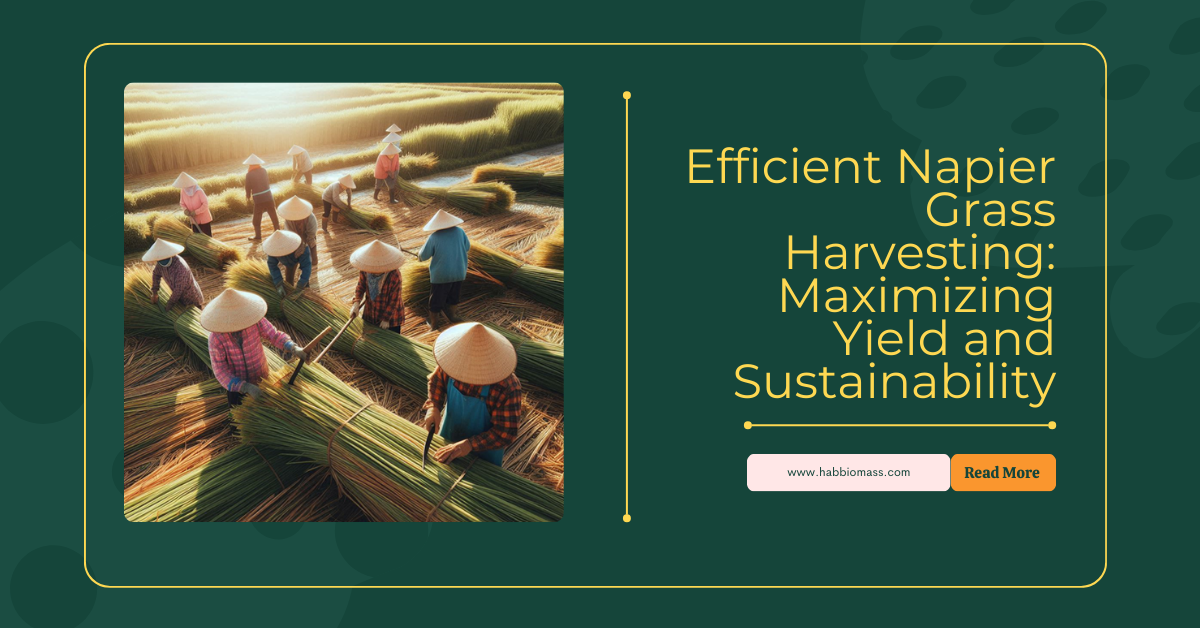
Napier grass, also known as elephant grass, is a highly productive forage crop, widely used as livestock feed due to its rapid growth, high biomass yield, and rich nutritional content. Efficient harvesting of Napier grass is crucial to maintaining a high-quality crop, maximizing yield, and ensuring sustainability. In this blog, we will cover best practices and modern tools for efficient Napier grass harvesting, with a focus on strategies that optimize yield and sustainability.
1. Understanding Napier Grass Growth and Harvesting Time
The timing of Napier grass harvesting plays a pivotal role in both the quality and quantity of the yield. Recognizing the growth cycle is key to determining the best harvesting period for maximum output.
- Growth Cycle: Napier grass thrives in tropical and subtropical climates, growing up to 3-4 feet in just 8-10 weeks. Under ideal conditions, multiple harvests per year can be achieved.
- Optimal Harvest Time: The ideal time to harvest Napier grass is when it reaches 60-90 days of growth or about 3-4 feet in height. Harvesting at this stage ensures high protein content, better digestibility, and minimizes the risk of fibrous growth.
- Multiple Harvests Per Year: Depending on climate and management, Napier grass can yield 4-6 harvests annually, making it a reliable crop for livestock farmers.
2. Modern Harvesting Techniques: Mechanization for Efficiency
Mechanized harvesting has revolutionized Napier grass cultivation, making the process more efficient, reducing labor, and improving precision.
- Mechanized Harvesters: Specialized machines, like self-propelled forage harvesters and tractor-mounted mowers, are used to cut, bundle, and leave even stubble for regrowth.
- Advantages of Mechanization:
- Speed: Mechanized harvesters cover large areas quickly, ensuring timely harvesting.
- Uniform Cutting: They ensure consistent cutting height, promoting regrowth and minimizing waste.
- Reduced Labor Costs: Automation significantly reduces the need for manual labor.
3. Manual Harvesting: Best Practices for Small-Scale Farmers
For small-scale farmers, manual harvesting remains an effective, affordable option.
- Sharp Tools: Always use sharp cutting tools to minimize damage and promote regrowth.
- Cut at the Right Height: Aim for 6-10 inches above the ground to protect roots and ensure healthy regrowth.
- Quick Collection: Collect the cut grass promptly to maintain its nutritional value.
4. Post-Harvest Management: Handling and Storage
Efficient post-harvest management is critical to preserving the quality of Napier grass for livestock feed.
- Timely Collection: Collect the grass promptly after cutting to prevent nutrient loss and reduced palatability.
- Silage Production: Store grass as silage to maintain moisture and nutrients for long-term use, especially in dry regions.
- Baling: Proper drying and baling help reduce storage space while maintaining quality.
5. Regrowth Management: Enhancing Sustainability and Yield
Proper regrowth management after harvesting is essential for long-term productivity.
- Allow Time Between Harvests: Let the grass regrow to at least 6-8 inches before cutting again to encourage healthy yields.
- Fertilization: Regular fertilization, whether organic or chemical, keeps the soil nutrient-rich and supports regrowth.
- Harvest Rotation: Rotate sections of the field to promote soil health and avoid erosion.
6. Sustainable Harvesting Practices
Incorporating sustainable methods ensures long-term productivity and minimizes environmental impact.
- Reduce Soil Erosion: Use soil conservation techniques like mulching and cover crops to protect the soil.
- Organic Inputs: Opt for organic fertilizers and pest control to maintain soil fertility and ecological balance.
- Water Conservation: Implement water-saving measures like drip irrigation to ensure adequate water supply without wastage.
7. Future of Napier Grass Harvesting: Innovations and Trends
As technology advances, innovations in Napier grass harvesting are leading the way toward more efficient and eco-friendly farming.
- Precision Agriculture: Tools like GPS-guided harvesters and sensors are optimizing harvesting times and input usage.
- Sustainable Mechanization: Energy-efficient or solar-powered machinery is emerging, helping to reduce the carbon footprint of harvesting.
Efficient Napier grass harvesting is essential for optimizing yield, ensuring high-quality feed, and promoting sustainable farming. By implementing modern techniques, focusing on post-harvest management, and adopting sustainable practices, farmers can improve productivity and contribute to a greener future. Whether using mechanized or manual methods, the key to success lies in timing, equipment, and careful regrowth management.